

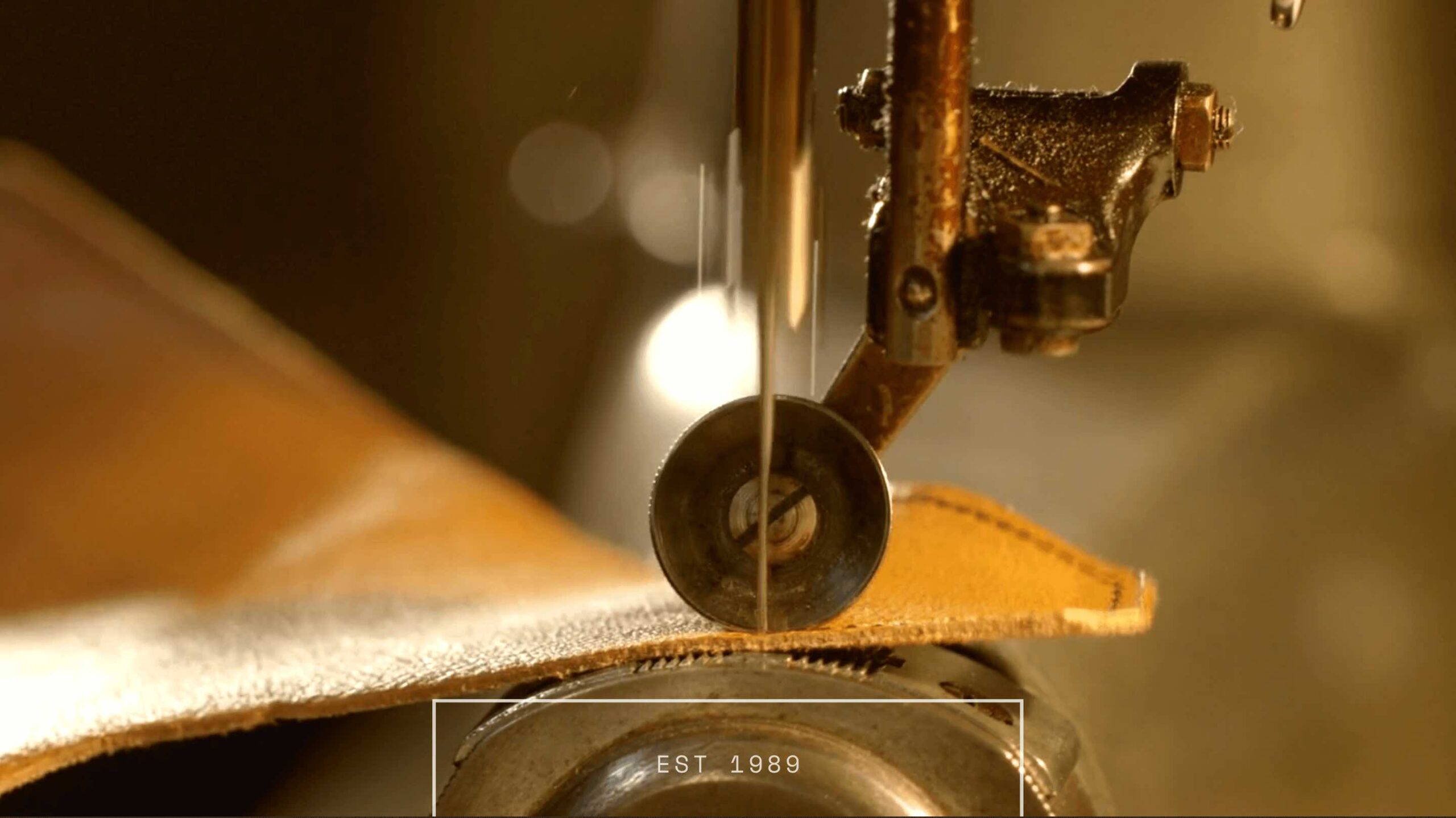
How Is Leather Tanned? From Raw Hide to Finished Real Leather
15/09/2026Leather does not start its journey looking anything like the jacket, bag, belt or wallet you see in a store.
Before a hide becomes soft, durable and usable leather, it passes through a carefully controlled series of processes known collectively as leather tanning.
In simple terms, tanning is the process of converting an animal hide into stable, durable leather that will not naturally decompose. But tanning itself is only one part of the journey. Preparing the hide, controlling its thickness, adding softness and colour, drying it correctly and finishing its surface are equally important.
At Mender, leather manufacturing has been part of our work since 1989. With leather processing, manufacturing and product development carried out through our facilities in Multan, we get to see this transformation from hide to finished leather before it eventually becomes a jacket, bag, wallet or belt.
Here is how the leather tanning process works.
What Is Leather Tanning?
Fresh animal hide contains water, natural fats, proteins, hair and other organic material. Left untreated, it will deteriorate.
Tanning changes the structure of the hide so that it becomes stable and suitable for long-term use.
However, a tannery cannot simply place a raw hide into tanning chemicals. The hide first needs to be cleaned and prepared so that the tanning agents can penetrate its fibres evenly.
That is why leather production begins well before the actual tanning stage.
1. Preparing and Soaking the Hide
Hides are commonly preserved with salt before reaching a tannery. Salt helps prevent deterioration during storage and transportation.
The first step is therefore to remove excess salt.
The hides are then placed in large tanning drums and soaked in water.
Soaking performs several important functions. It restores much of the moisture lost during preservation and helps remove salt, dirt, blood and other unwanted material from the hide.
By the end of the soaking process, the hide is much closer to its original hydrated condition and ready for further processing.
2. Fleshing: Removing Excess Tissue and Fat
The underside of a hide can contain unwanted fat, flesh and connective tissue.
A fleshing machine removes this material mechanically.
Proper fleshing is important because unnecessary tissue can interfere with the penetration of chemicals during the later stages of production.
Some tanneries also perform an earlier green fleshing process to open up the hide and improve processing efficiency.
3. Liming and Hair Removal
The hide is then treated during a process called liming.
Liming helps remove hair and opens the fibre structure of the hide. Natural fats, proteins and other unwanted components are also reduced during this stage.
Opening the fibre structure is particularly important. Leather needs to accept tanning agents, dyes and oils consistently throughout its thickness.
The way liming is controlled can influence the eventual feel, softness and character of the finished leather.
4. De-Liming and Bating
Once liming has performed its job, the alkalinity of the hide needs to be reduced.
This is done through de-liming, where the pH is gradually brought down.
The hide may then undergo bating, an enzyme-based process that removes unwanted proteins and helps clean and relax the fibre structure.
Bating contributes significantly to the final feel of the leather. When properly controlled, it can help produce a cleaner grain and softer, more flexible leather.
5. Pickling the Hide
Before certain forms of tanning, particularly chrome tanning, the hide needs to reach the correct acidity.
This preparation stage is known as pickling.
Acids and salts are introduced under controlled conditions to lower the pH and prepare the hide so that tanning agents can penetrate evenly.
At this point the material is fully prepared for the main tanning stage.
6. The Actual Tanning Process
This is the stage that converts prepared hide into leather.
There are several tanning methods used throughout the leather industry.
Chrome tanning is widely used because it can produce soft and versatile leather efficiently.
Vegetable tanning uses plant-based tannins and is known for producing leather with a distinctive character that can develop beautifully with age.
Other chrome-free tanning systems are also used depending on the type of leather being produced and its intended application.
The choice of tanning method affects the leather’s colour, softness, structure, ageing characteristics and eventual use.
Leather intended for a soft jacket, for example, requires a different feel from leather intended for a firm belt or structured bag.
7. Selecting and Grading the Tanned Leather
After tanning, the hides are inspected and sorted.
At this stage, the tannery evaluates characteristics such as grain quality, natural markings, defects and overall condition.
Not every part of every hide is identical.
Leather is a natural material, which means variations in grain, texture and markings are normal. Proper selection allows the tannery to determine which hides are most suitable for particular products and finishes.
8. Removing Moisture
Freshly tanned leather still contains considerable moisture.
It is therefore passed through a machine that removes excess water before further mechanical processing.
Reducing the moisture makes the leather easier to handle and prepares it for splitting and shaving.
9. Splitting the Leather
A hide can be thicker than required for the finished product.
During splitting, a machine separates the hide into layers.
The upper portion contains the natural grain surface and is generally referred to as the grain layer. The lower portion is known as the split.
This distinction is important when understanding leather quality because different layers have different characteristics and applications.
10. Shaving Leather to the Required Thickness
After splitting, leather still needs precise thickness control.
A shaving machine works from the flesh side and reduces the leather to the required gauge.
Thickness depends on the intended product.
A soft fashion jacket may require thinner and more flexible leather, while a belt, travel bag or other structured product may require considerably more substance.
Getting this stage right is essential for both appearance and durability.
11. Re-Tanning, Dyeing and Fatliquoring
The leather now returns to processing drums for some of the stages that have the greatest influence on its final personality.
Re-tanning can modify the structure, fullness and feel of the leather.
Dyeing introduces the required colour into the leather.
Fatliquoring introduces specially selected oils and lubricating materials into the fibre structure.
Fatliquoring is particularly important for softness and flexibility. Without suitable lubrication, leather fibres can become stiff as the leather dries.
The exact combination depends on what the finished leather is supposed to become.
12. Drying the Leather
Once wet processing has been completed, moisture must be removed carefully.
One method is vacuum drying, where leather is placed against heated surfaces while moisture is removed under vacuum. This helps produce a flatter leather with a smooth grain.
Leather can also be hang dried, allowing it to dry more gradually.
Drying cannot simply be rushed. Some moisture needs to remain within the leather so that the fibres do not become excessively stiff or stick together.
Leather may therefore be conditioned before moving to the next stage.
13. Staking: Making Leather Soft
Leather after drying can feel much firmer than the finished leather used in clothing and accessories.
Staking mechanically works the leather to loosen its fibre structure.
This process is one of the reasons finished leather can feel soft and flexible rather than like a rigid dried hide.
For leather jackets in particular, achieving the right balance between softness and strength is extremely important.
14. Toggling: Stretching and Smoothing the Leather
Toggling is another important mechanical process.
The leather is secured around its edges using small clamps known as toggles and stretched across a large frame.
It is then held under controlled tension while warm air or heat helps dry and set the leather.
Toggling helps make the leather flatter, improves grain smoothness, reduces unwanted wrinkles and increases the usable surface area of the hide.
Rather than simply stretching leather as far as possible, the process needs to respect the natural fibre structure so that the leather retains its strength and character.
15. Buffing, Milling and Surface Development
Depending on the type of leather being produced, additional mechanical processes may follow.
Leather can be buffed to modify the surface or create articles such as nubuck.
It can also be placed inside dry milling drums.
During milling, the leather tumbles and flexes repeatedly. This can soften the leather further and develop a more natural grain appearance.
Different combinations of these processes create very different results even when the leather originally came from the same type of hide.
16. Leather Finishing
Finishing is where much of the final appearance of leather is developed.
Finishes can be applied to enhance colour, touch, sheen and surface consistency while also providing protection against everyday wear, rubbing and staining.
The amount of finishing varies enormously.
Some leather articles retain more of their natural grain and character, while others receive additional surface treatment to achieve a particular appearance or performance requirement.
Good leather manufacturing is not about hiding the material. It is about creating the right finish for the purpose while retaining the qualities that make leather unique.
17. Final Selection and Measurement
Once the finishing process is complete, the leather is inspected again.
Hides are checked for quality, usable area, colour, finish and defects before being measured and classified.
Only after this stage is finished leather ready to move from the tannery to product manufacturing.
This is where leather begins its next journey.
A piece may eventually become a jacket panel, the body of a handbag, a belt, a wallet or another leather accessory.
From Tannery to a Finished Mender Product
For a leather brand, understanding the material is just as important as designing the final product.
Mender has been manufacturing leather goods since 1989, with leather processing and manufacturing facilities in Multan, Pakistan.
Keeping leather knowledge close to manufacturing gives us greater control over the material used in products such as leather jackets, bags, belts and wallets.
The leather required for a soft sheep leather jacket is not the same as the leather needed for a durable cowhide belt or structured travel bag. Thickness, softness, tanning, colour, grain and finishing all need to match the purpose of the final product.
That relationship between the tannery and the finished product is something customers rarely see when they first pick up a leather jacket or bag.
But much of the quality of that product has already been decided long before stitching begins.
Where Can You Find Mender Leather?
Mender products are available online across Pakistan as well as through our physical locations.
Customers can visit Mender at Bahria Town Lahore, Y Block DHA Phase 3 Lahore, or our Mender Leather Factory and outlet in Multan.
Our collection includes real leather jackets, bags, belts, wallets and other leather accessories produced with a focus on material, craftsmanship and long-term use.
Frequently Asked Questions About Leather Tanning
How is real leather made?
Real leather is produced by preparing an animal hide through soaking, fleshing, liming and cleaning before tanning it to stabilize the fibres. The leather is then split or shaved to the required thickness, dyed, softened, dried, finished and graded before being used to manufacture leather products.
What does tanning do to leather?
Tanning stabilizes the protein structure of a hide so that it becomes durable leather rather than naturally decomposing raw hide. The tanning method also influences characteristics such as softness, colour, flexibility and ageing.
Why is leather stretched during toggling?
Toggling keeps leather under controlled tension while it dries. It helps flatten the hide, improve grain smoothness, reduce wrinkles and maximize its usable area.
What makes leather soft?
Softness comes from several stages rather than one treatment alone. Appropriate tanning and fatliquoring help lubricate the fibres, while mechanical processes such as staking and milling loosen the fibre structure to produce softer leather.
What is the difference between grain leather and split leather?
The grain layer is the upper portion of the hide containing the natural outer grain surface. Split leather comes from the lower layers after a hide has been divided through a splitting machine. Their structure, appearance and applications are therefore different.
Is every piece of real leather identical?
No. Leather is a natural material, so grain, markings and texture can vary from hide to hide. These variations are part of the natural character of real leather.
Does Mender manufacture its own leather products?
Mender has been manufacturing leather goods since 1989 and operates leather processing and manufacturing facilities in Multan, Pakistan. Finished leather is used to produce products including jackets, bags, belts and wallets, which are available online and through Mender locations in Lahore and Multan.
A Product That Starts Long Before the Stitching
The next time you hold a leather jacket or bag, the stitching and design are only the final chapters of its story.
Before reaching the cutting table, the leather may already have passed through dozens of carefully controlled chemical and mechanical operations.
From soaking the original hide and opening its fibres to tanning, dyeing, drying, staking, toggling and finishing, every stage affects how the final leather looks, feels and performs.
That is why good leather craftsmanship begins at the tannery.
And when you understand where your leather comes from, it becomes much easier to understand what makes a well-made leather product different.
Explore real leather jackets, bags, belts and wallets at Mender.pk, or visit Mender in Lahore and Multan.

Leave A Reply