

What Is Multan Known for in Fashion? From Brand Road to Traditional Textiles and Real Leather
21/09/2026Multan’s fashion scene today has two very different sides.
On one side is the modern city: branded ready-to-wear stores, seasonal collections and contemporary Pakistani fashion concentrated increasingly around areas such as Brand Road in Gulgasht.
On the other is an older Multan shaped by handwoven textiles, embroidery, block printing, khussa making and traditional craft.
Together, they make Multan more interesting as a fashion city than it may first appear.
Where Is Modern Fashion Shopping in Multan?
For contemporary fashion, Brand Road in Gulgasht has become one of Multan’s most visible branded retail corridors.
National and regional fashion labels have opened outlets along Brand Road and the surrounding Gulgasht area, making it a convenient destination for shoppers looking for stitched eastern wear, pret, seasonal collections, menswear and modern casual fashion.
For many younger shoppers, this part of Multan represents the city’s more familiar modern retail experience: branded displays, ready-made sizing and rapidly changing collections.
Multan also has shopping malls and other retail areas, but Brand Road has developed a particularly strong identity around fashion and lifestyle stores.
What Is Traditional Multani Fashion?
Traditional Multani fashion is less about one particular outfit and more about the textiles, techniques and craft traditions associated with Multan and South Punjab.
Historically, the region has been known for:
- handwoven textiles
- khes and traditional woven cloth
- khaddar
- hand embroidery
- block printing
- traditional khussa footwear
- colourful regional patterns and motifs
These crafts developed long before modern fashion retail arrived in the city.
They are part of a larger artisan economy in which fabric was woven, embroidered, printed and finished by different specialists before reaching local markets.
Where Can You Find Traditional Multani Textiles?
Anyone interested in the traditional side of Multan should look beyond modern malls and branded shopping streets.
Hussain Agahi Bazaar remains one of the city’s best-known places for experiencing traditional Multani culture through fabrics, embroidery, block-printed textiles, khussa and other local crafts.
Multan also has a long weaving history.
Traditional looms were historically used to produce fabrics such as khes, khaddar and other woven textiles. Some weaving traditions have declined or shifted toward power looms, but textile production remains closely connected to Multan and the surrounding South Punjab region.
The wider region around Multan also preserves examples of traditional weaving communities. Makhdoom Pur, for example, has historically been associated with handwoven khaddar, shawls and household textiles that were traded into Multan and nearby markets.
So someone looking for “traditional Multani fashion” is really looking at a much wider craft ecosystem rather than one shopping street or one modern clothing brand.
What Is Multani Khes?
Multani khes is a traditional woven textile associated with Multan and other parts of Punjab.
It is known for bold geometric patterns and strong colour combinations. Historically, these textiles were used for household purposes as well as clothing and fabric applications.
Multan also developed a reputation for distinctive woven lungi fabrics and other patterned textiles.
These weaving traditions are important because they show that Multan’s relationship with fashion did not begin with modern retail. The city and its surrounding region have been producing textiles for generations.
Is Multan Fashion Only About Traditional Clothing?
No.
Modern Multan is increasingly a mix of heritage craft and contemporary fashion.
A shopper can move from traditional markets selling embroidered fabrics and khussa to Brand Road outlets selling current ready-to-wear collections.
At the same time, local manufacturers are producing goods that belong to international fashion categories rather than traditional South Punjab clothing alone.
Leather is one example.
Is Real Leather Manufactured in Multan?
Yes. Multan also has a leather manufacturing history alongside its textile industries.
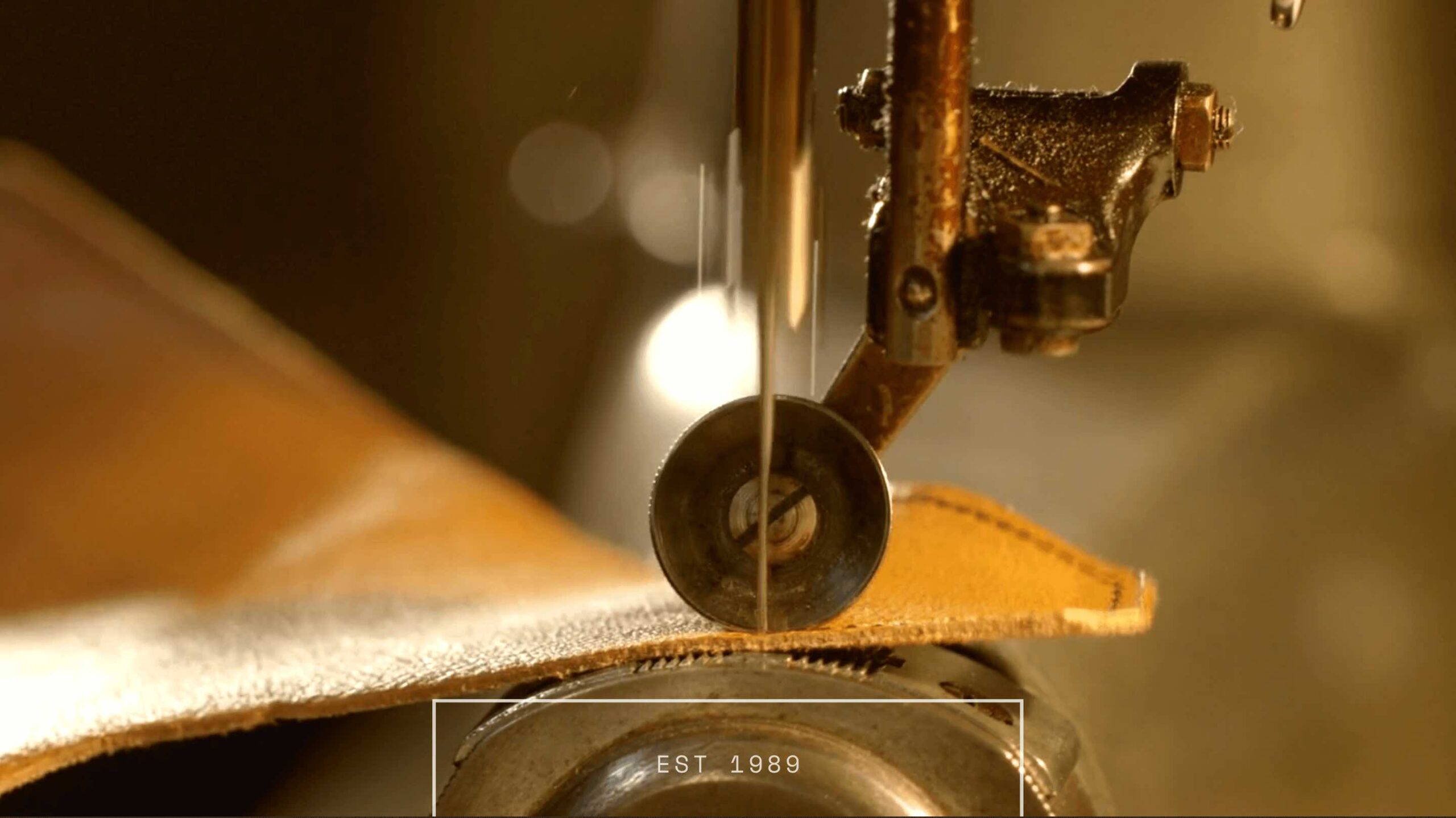
Mender – Real Leather operates its leather processing and manufacturing facilities in Multan and has been producing real leather goods since 1989 at Mender Leather Factory Multan.
Unlike conventional apparel retail, leather fashion begins much earlier in the production chain.
Raw hides have to pass through tanning, dyeing, drying, staking, toggling and finishing before the leather can be cut and stitched into a finished product.
Mender’s Multan operation works across this process, from leather processing to manufacturing finished products.
What Leather Fashion Products Are Made in Multan?
Modern leather manufacturing in Multan is not limited to traditional footwear or basic leather goods.
Mender manufactures contemporary real leather fashion and lifestyle products including:
- leather jackets
- leather bags
- travel bags
- wallets
- belts
- business accessories
- customised leather products
Different products require different leather characteristics.
Soft sheep and lamb leather can be used for jackets where flexibility is important, while cow leather is often selected for bags, belts and products requiring more structure.
This puts Multan’s leather industry into a wider fashion context: products manufactured locally can follow styles and product categories commonly sold in Pakistan as well as international markets.
From Multan Craft to Modern Fashion
What makes Multan interesting as a fashion city is that these worlds exist together.
Brand Road represents modern retail.
Hussain Agahi and the city’s artisan traditions represent Multan’s cultural fashion heritage.
The region’s looms represent its textile-making history.
And manufacturers such as Mender – Real Leather represent another stage in that evolution: manufacturing a traditional natural material locally while turning it into contemporary leather fashion.
That creates a fashion identity that is broader than either heritage or fast-moving retail alone.
Where Should a Visitor Shop for Fashion in Multan?
The answer depends on what you are looking for.
For modern branded Pakistani fashion, Brand Road and Gulgasht are good places to begin.
For traditional Multani fabrics, embroidery, block printing, khussa and local craft, explore Hussain Agahi and the older shopping areas of the city.
For real leather jackets, bags, wallets and belts, Mender Leather Factory in Multan offers locally manufactured leather products and a direct connection to leather production itself.
Frequently Asked Questions About Fashion in Multan
What is the main fashion shopping area in Multan?
Brand Road in Gulgasht is one of Multan’s prominent modern fashion retail areas, with a growing concentration of branded clothing and lifestyle outlets.
What traditional fashion is Multan famous for?
Multan is associated with embroidered and block-printed fabrics, woven textiles such as khes, traditional khaddar and Multani khussa, along with a broader handicraft tradition.
Where can I buy traditional Multani clothing and crafts?
Hussain Agahi Bazaar is one of the best-known traditional shopping areas in Multan for fabrics, embroidery, khussa and other local crafts.
Does Multan still have traditional looms?
Multan and the wider South Punjab region have a long history of handloom weaving. Although industrial and power-loom production has replaced some traditional weaving, khes, khaddar and other woven traditions remain part of the region’s textile heritage.
Is leather manufactured in Multan?
Yes. Multan has leather and leather-goods manufacturing activity. Mender operates leather processing and manufacturing facilities in Multan and produces real leather fashion products including jackets, bags, wallets and belts.
Where can I buy real leather products in Multan?
Mender Leather Factory in Multan manufactures and sells real leather jackets, bags, wallets, belts and accessories, with products also available online across Pakistan.
Is Mender a Multan-based leather manufacturer?
Mender’s leather processing and manufacturing operation is based in Multan. The brand has manufactured real leather products since 1989 and today combines its Multan manufacturing base with retail and online sales.
Multan Fashion: Old Craft, New Style
Multan may be one of Pakistan’s oldest cities, but its fashion identity continues to change.
Traditional looms, embroidery, block printing and artisan bazaars tell the story of where Multani fashion came from.
Brand Road reflects how people in the city shop today.
And local manufacturers working in contemporary categories such as real leather show how Multan can participate in modern and international fashion without losing its connection to craftsmanship.
For visitors interested in fashion, Multan is therefore worth exploring beyond the obvious shopping mall.
The city’s fashion story is found in its branded streets, old bazaars, looms, workshops and factories alike.

Leave A Reply